


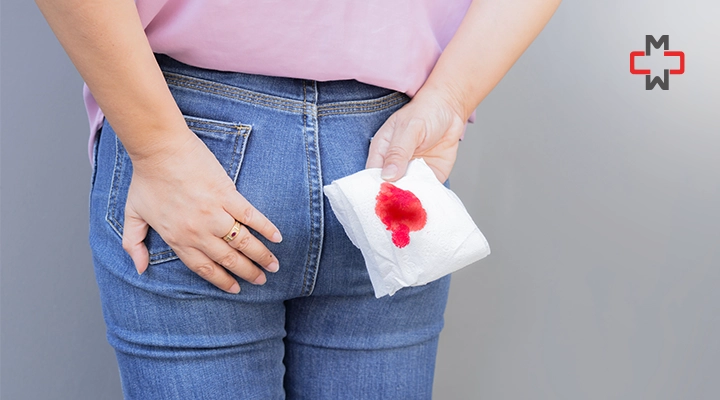
Hemorrhoids are swollen veins in the rectal or anal area that can cause discomfort, itching, and bleeding. Bleeding is a common symptom, but many people are unsure how much blood is normal. Understanding the difference between normal and concerning hemorrhoid bleeding is essential for both prevention and treatment.
According to medical sources, small drops or streaks of bright red blood on toilet paper or a slight pink tint in the bowl after a bowel movement are typically considered normal for hemorrhoids. This bleeding usually lasts just a few seconds or minutes and does not cause significant pain or discomfort. Learn more about hemorrhoid symptoms and treatment options.
Causes of Hemorrhoid Bleeding
Hemorrhoid bleeding can occur for several reasons. Internal hemorrhoids are located inside the rectum and often bleed during bowel movements without causing pain, while external hemorrhoids appear around the anus and may be more noticeable when irritated or thrombosed.
Common triggers for bleeding include:
- Straining during bowel movements due to constipation
- Sitting for long periods
- Pregnancy, which increases pressure in the pelvic veins
- Low-fiber diets that result in harder stools
It is important to distinguish hemorrhoid bleeding from other causes of rectal bleeding, such as anal fissures or more serious conditions like colorectal cancer. Read more about colon and rectal health and screening options.
How Much Bleeding Is Considered Normal
Normal hemorrhoid bleeding usually involves a few drops or light streaks of blood. The blood is bright red and appears on toilet paper, on the surface of the stool, or slightly in the bowl.
- Mild bleeding: Small streaks or a few drops after bowel movements
- Severe bleeding: Large amounts, continuous flow, or blood clots
Typically, normal bleeding lasts only a few seconds to minutes and stops without intervention. If bleeding is heavy, persistent, or accompanied by other symptoms, it should be evaluated by a healthcare professional. Learn how to monitor hemorrhoid bleeding at home.
Symptoms That Require Medical Attention
While occasional bleeding is common, there are warning signs that indicate the need for prompt medical evaluation:
- Continuous bleeding that does not stop
- Dark, tarry, or maroon-colored blood, which may indicate bleeding higher in the digestive tract
- Large blood clots
- Severe pain in the anal or abdominal area
- Dizziness, fainting, or other signs of blood loss
If any of these occur, it is recommended to see a gastroenterologist or primary care provider immediately. Consult our primary care services for professional evaluation.
Duration and Frequency of Hemorrhoid Bleeding
Normal hemorrhoid bleeding is usually brief and self-limited, occurring only during bowel movements. Persistent bleeding over several days may indicate a more serious problem.
- Occasional small bleeding episodes are generally harmless
- Bleeding lasting more than a few days, or recurring frequently, should prompt a medical evaluation
- Special cases, such as pregnancy, post-surgery, or thrombosed hemorrhoids, may increase the frequency or duration of bleeding
Monitoring how long and how often bleeding occurs can help distinguish normal hemorrhoid bleeding from conditions requiring medical intervention. Learn about treatment options for prolonged hemorrhoid bleeding.
Home Care and Treatment Options
Most mild hemorrhoid bleeding can be managed at home. Recommended strategies include:
- Lifestyle adjustments: Increase dietary fiber, drink plenty of water, and avoid straining during bowel movements
- Sitz baths: Warm water baths can reduce irritation and promote healing
- Topical treatments: Hemorrhoid creams or ointments can help relieve pain and reduce bleeding
- Medical interventions: If bleeding persists, procedures such as hemorrhoid banding or surgery may be necessary
For guidance on managing bleeding hemorrhoids, explore our hemorrhoid care services.
Prevention Tips
Preventing hemorrhoid bleeding involves reducing strain on the rectal veins and promoting healthy bowel habits:
- Eat a fiber-rich diet to soften stools
- Stay hydrated to prevent constipation
- Avoid prolonged sitting and practice gentle bowel habits
- Monitor for recurrent or excessive bleeding to catch problems early
Following these steps can significantly reduce the risk of bleeding and discomfort. Learn more about preventive care for hemorrhoids.
Conclusion
Small amounts of bright red blood from hemorrhoids are usually normal, especially after bowel movements. However, heavy, continuous, or dark blood should not be ignored. Monitoring bleeding patterns, practicing preventive measures, and seeking professional care when necessary are key to maintaining rectal health.
If you are experiencing persistent or concerning hemorrhoid bleeding, consult a qualified physician. Schedule a consultation with our primary care experts for a comprehensive evaluation and treatment plan.
Disclaimer
This blog is for informational & educational purposes only and does not intend to substitute any professional medical advice or consultation. For any health-related concerns, please consult with your physician, or call 911.

-
About The Author
Dr. Syra Hanif M.D.Board Certified Primary Care Physician

Dr. Syra Hanif is a board-certified Primary Care Physician (PCP) dedicated to providing compassionate, patient-centered healthcare.
Read More