


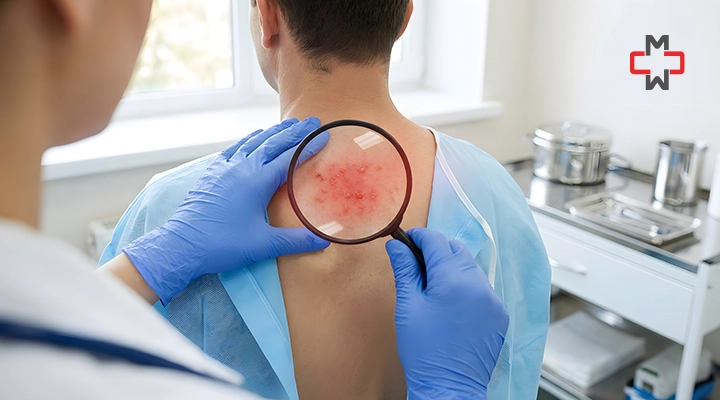
You usually cannot get shingles without first having the varicella-zoster virus in your body. That virus most commonly enters the body through a past chickenpox infection, even if the infection was mild or forgotten. Less commonly, shingles can occur later in life after the chickenpox vaccine because the vaccine also contains a weakened form of the virus.
Many people ask, “can you get shingles without having chicken pox?” because they develop a painful blistering rash but do not remember ever having chickenpox. The key point is that not remembering chickenpox does not always mean you never had it. Some childhood cases are mild, misdiagnosed, or simply forgotten.
According to Dr. Syra Hanif, M.D., a board-certified primary care physician at Manhattan Medical Arts, shingles symptoms should be evaluated quickly because antiviral treatment works best when started early, especially if the rash is painful, spreading, near the eye, or affecting someone with a weakened immune system.
If you have a painful rash, burning skin sensitivity, blisters, or symptoms that may be shingles, Manhattan Medical Arts offers shingles evaluation and treatment, primary care, and same-day walk-in doctor appointments for patients in Manhattan, Forest Hills, and across NYC.
Quick Answer: Can You Get Shingles Without Having Chicken Pox?
In most cases, no. Shingles happens when the varicella-zoster virus, the same virus that causes chickenpox, reactivates in your body. If you truly never had chickenpox and never received the chickenpox vaccine, you would usually not get shingles first.
CDC explains that shingles occurs when varicella-zoster virus reactivates after a person has already had chickenpox. After chickenpox, the virus does not fully leave the body. It stays inactive in nerve tissue and can reactivate years later as shingles.
However, there are two important exceptions or misunderstandings:
- You may have had chickenpox as a child and not remember it.
- You may have received the chickenpox vaccine, which contains a weakened form of varicella-zoster virus and can very rarely reactivate later.
So, if you have shingles but believe you never had chickenpox, it may mean you had a mild or forgotten infection, were exposed without knowing, or were vaccinated against chickenpox.
What Causes Shingles?
Shingles is caused by reactivation of varicella-zoster virus. This virus causes chickenpox during the first infection. After chickenpox clears, the virus becomes dormant in nerve cells near the spinal cord and brain.
Years or decades later, the virus can wake up and travel along a nerve to the skin. This causes the painful, blistering rash known as shingles.
Shingles is also called herpes zoster. It is different from herpes simplex virus, which causes cold sores and genital herpes. The word “herpes” in herpes zoster refers to the virus family, not the same infection as HSV-1 or HSV-2.
Factors that may allow the virus to reactivate include:
- Aging
- Weakened immune system
- Stress on the body
- Cancer treatment
- Long-term steroid use
- Immune-suppressing medications
- HIV or other immune conditions
- Organ transplant medications
- Certain chronic illnesses
Can You Get Shingles If You Never Had Chickenpox?
If you truly never had chickenpox and never received the chickenpox vaccine, you generally would not develop shingles first. Shingles requires varicella-zoster virus to already be inside your body.
But there is a catch: many adults who say they never had chickenpox may have actually had it without knowing. Chickenpox can sometimes be mild, especially in childhood. Some people may have had only a few spots, been misdiagnosed, or never been told they had it.
A blood test can sometimes show whether you have immunity to varicella-zoster virus. This may be useful if you are unsure about your chickenpox history, especially before certain medications, pregnancy planning, or immune-suppressing treatment.
If you develop a painful rash that looks like shingles, do not dismiss it just because you do not remember having chickenpox. A medical provider can examine the rash and decide whether testing or antiviral treatment is needed.
Can You Get Shingles Without Remembering Chickenpox?
Yes. This is one of the most common reasons people are confused about shingles. You can get shingles even if you do not remember having chickenpox because past infection may have been mild, forgotten, or undocumented.
This can happen if:
- You had chickenpox very young
- Your symptoms were mild
- You had only a few spots
- Your parents or caregivers did not recognize it
- It was mistaken for another rash
- Your medical records are incomplete
CDC states that people can receive the shingles vaccine whether or not they remember having chickenpox, which reflects how common uncertain chickenpox history is among adults. CDC’s shingles vaccine guidance says adults 50 and older should get Shingrix even if they do not remember having chickenpox.
If you are unsure about your past chickenpox exposure, a preventive care visit can help review your vaccination history, risk factors, and whether shingles vaccination is appropriate.
Can You Get Shingles If You Had the Chickenpox Vaccine?
Yes, it is possible to get shingles after the chickenpox vaccine, but it is less common than shingles after natural chickenpox infection. The chickenpox vaccine contains a weakened form of varicella-zoster virus. Like wild-type virus, it can become dormant in the body, but the risk of later shingles is lower.
CDC’s clinical overview notes that the risk of vaccine-strain varicella-zoster virus reactivation is lower than reactivation of wild-type varicella-zoster virus. CDC also states in its varicella vaccine information that some vaccinated people can get shingles years later, although this is uncommon.
This means someone who never had natural chickenpox but did receive the chickenpox vaccine may still have a small risk of shingles later. The risk is generally lower than it would be after a full chickenpox infection.
Shingles vs Chickenpox
Shingles and chickenpox are caused by the same virus, but they are not the same illness.
| Feature | Chickenpox | Shingles |
|---|---|---|
| Cause | First infection with varicella-zoster virus | Reactivation of varicella-zoster virus |
| Usual rash pattern | Widespread itchy rash | Painful rash on one side or one area |
| Age pattern | More common in children without immunity | More common in adults, especially over 50 |
| Contagiousness | Highly contagious | Can spread VZV from blister fluid |
| What it spreads as | Chickenpox | Chickenpox in people without immunity |
| Vaccine prevention | Chickenpox vaccine | Shingrix vaccine |
Chickenpox usually causes a widespread itchy rash with fever and fatigue. Shingles usually causes pain, tingling, burning, and a blistering rash in a stripe or patch on one side of the body.
Manhattan Medical Arts has a broader page on skin infections for readers who want to understand other infectious rashes that may look similar.
What Are the Symptoms of Shingles?
Shingles often starts with pain, burning, tingling, itching, or sensitivity in one area of the skin. A rash usually appears later.
Common shingles symptoms include:
- Burning, tingling, or stabbing pain
- Skin sensitivity
- Itching
- Red rash
- Fluid-filled blisters
- Rash on one side of the body
- Rash in a band or stripe pattern
- Fever
- Headache
- Chills
- Fatigue
- Upset stomach
CDC lists pain, itching, tingling, a rash on one side of the body or face, and blisters that scab over as common shingles symptoms. The rash often appears on the torso, but it can also appear on the face, scalp, neck, arms, or legs.
Shingles pain can begin before the rash appears. This sometimes makes early shingles hard to diagnose because the person may feel pain without visible skin changes.
What Does Shingles Look Like?
Shingles usually looks like a cluster or stripe of small fluid-filled blisters on red or irritated skin. The rash commonly appears on one side of the body and follows the path of a nerve.
Shingles may look like:
- A red patch
- Small grouped blisters
- Blisters that fill with fluid
- Blisters that break open
- Crusting or scabbing
- A rash in a band-like pattern
- Rash on one side of the torso, face, or neck
A shingles rash is often painful rather than just itchy. It may feel like burning, electric pain, deep aching, or extreme skin sensitivity.
Because shingles can resemble other rashes, including allergic reactions, eczema, contact dermatitis, hives, insect bites, or skin infections, it is best to have a new painful blistering rash evaluated.
Is Shingles Contagious?
Shingles itself is not spread from one person to another as shingles. However, a person with active shingles can spread varicella-zoster virus to someone who has never had chickenpox and has never received the chickenpox vaccine. That person would develop chickenpox first, not shingles.
The virus can spread through direct contact with fluid from shingles blisters. The risk is lower once the rash has crusted over.
To reduce spread:
- Keep the rash covered
- Avoid touching or scratching the blisters
- Wash hands often
- Avoid contact with pregnant people who are not immune
- Avoid contact with newborns
- Avoid contact with people with weakened immune systems
- Avoid contact with people who never had chickenpox or the vaccine until the rash crusts
Can You Spread Shingles to Someone Who Never Had Chickenpox?
You cannot directly give someone shingles. But you can spread varicella-zoster virus from shingles blisters to someone without immunity. If that person becomes infected, they can develop chickenpox.
This matters for:
- Babies
- Pregnant people without immunity
- People with weakened immune systems
- People who never had chickenpox
- People who never received the chickenpox vaccine
If you have shingles, avoid close skin contact with high-risk people until the rash has crusted over. Keeping the rash covered can reduce the chance of spreading the virus.
Who Is at Risk for Shingles?
Anyone who has had chickenpox or the chickenpox vaccine can develop shingles, but some people have a higher risk.
Risk factors include:
- Age 50 or older
- Weakened immune system
- Cancer or cancer treatment
- HIV
- Organ transplant
- Long-term steroid use
- Immune-suppressing medication
- Certain autoimmune conditions
- Significant physical stress
- History of shingles
- Poor immune response due to illness or treatment
Shingles can happen in younger adults too, especially if their immune system is weakened. However, it becomes more common with age.
If you are at higher risk, a primary care appointment can help review vaccination, medication risks, and prevention.
Shingles Treatment
Shingles treatment usually includes antiviral medication, pain control, skin care, and monitoring for complications. Antiviral treatment works best when started early, ideally within 72 hours of rash onset.
Common antiviral medications include:
- Acyclovir
- Valacyclovir
- Famciclovir
Treatment may help:
- Shorten the outbreak
- Reduce symptom severity
- Lower complication risk
- Support faster healing
- Reduce the risk of prolonged nerve pain
Pain control may include over-the-counter pain relievers, prescription pain medication, topical options, or nerve pain medication depending on severity. Do not apply harsh creams, alcohol, or irritants to the rash unless recommended by a clinician.
How Long Does Shingles Last?
Shingles often lasts 2 to 4 weeks, but pain can last longer in some people. The rash usually forms blisters, then crusts over, then heals.
A general timeline may look like this:
| Stage | What Happens |
|---|---|
| Early symptoms | Tingling, burning, pain, sensitivity |
| Rash appears | Red patch or blistering rash develops |
| Blister phase | Fluid-filled blisters form |
| Crusting phase | Blisters dry and scab |
| Healing phase | Skin clears, pain improves |
| Possible complication | Nerve pain may continue after rash heals |
Some people develop postherpetic neuralgia, which is long-lasting nerve pain after shingles. This is one of the most common shingles complications and is more likely in older adults.
Shingles Vaccine
The shingles vaccine helps prevent shingles and its complications. The current shingles vaccine used in the United States is Shingrix, also called recombinant zoster vaccine.
CDC recommends 2 doses of Shingrix for adults 50 and older and for adults 19 and older who are or will be immunocompromised because of disease or therapy. CDC also says Shingrix is recommended even if you had shingles before, received the chickenpox vaccine, or do not remember having chickenpox.
The shingles vaccine is different from the chickenpox vaccine. The chickenpox vaccine is used to prevent chickenpox, usually in children and susceptible adults. Shingrix is used to prevent shingles and shingles-related complications in eligible adults.
At Manhattan Medical Arts, preventive care can help patients review vaccine history and discuss whether they meet shingles vaccine recommendations.
Can Shingles Come Back?
Yes, shingles can come back, although many people have it only once. Recurrence is more likely in people with weakened immune systems or other risk factors.
You may have a higher chance of recurrence if you:
- Are immunocompromised
- Had severe shingles
- Had shingles at a younger age
- Have chronic illness
- Are taking immune-suppressing medication
- Are under cancer treatment
Vaccination can reduce the risk of shingles and complications, even if you already had shingles before.
When to See a Doctor
You should see a doctor if you think you may have shingles, especially if the rash is new, painful, blistering, or on one side of the body. Early antiviral treatment is most helpful when started quickly.
See a doctor if you have:
- Painful blistering rash
- Rash on one side of the body or face
- Burning or tingling skin pain
- Rash near the eye
- Severe pain
- Fever
- Widespread rash
- Symptoms lasting more than a few days
- Weakened immune system
- Pregnancy
- Age over 50
- Cancer treatment or immune-suppressing medication
For mild symptoms or early rash questions, an online doctor visit may help determine next steps. For a painful rash, eye symptoms, severe pain, or a rapidly spreading rash, in-person care is usually better.
Emergency Warning Signs
Some shingles symptoms need urgent care. Do not wait if shingles may affect the eye, face, brain, or a person with weakened immunity.
Seek urgent medical care if you have:
- Rash near the eye
- Eye pain
- Vision changes
- Rash on the face or nose
- Severe headache
- Confusion
- Weakness
- Trouble walking
- Widespread rash
- Very high fever
- Severe uncontrolled pain
- Stiff neck
- Rash in a newborn
- Rash during pregnancy
- Rash with cancer treatment or immune suppression
Shingles near the eye can lead to serious eye complications. Facial shingles should be evaluated quickly.
How Manhattan Medical Arts Can Help
Manhattan Medical Arts can evaluate possible shingles, painful rashes, skin infections, and vaccine questions for patients in Manhattan, Forest Hills, and across NYC.
Depending on your symptoms, care may include:
- Rash evaluation
- Medical history review
- Antiviral treatment if appropriate
- Pain management guidance
- Skin care recommendations
- Evaluation for complications
- Vaccine counseling
- Follow-up care
- Referral when eye or neurological symptoms are present
Dr. Syra Hanif, M.D. and the Manhattan Medical Arts team can help determine whether your symptoms are consistent with shingles or another rash condition. If you need timely evaluation, you can use same-day walk-in care, primary care, or the dedicated shingles treatment page to find the right next step.
Frequently Asked Questions
Can you get shingles without having chicken pox?
Usually, no. Shingles happens when varicella-zoster virus reactivates in your body. That virus usually enters the body through chickenpox. However, you may not remember having chickenpox, or you may have received the chickenpox vaccine.
Can you get shingles if you never had chickenpox?
If you truly never had chickenpox and were never vaccinated, you usually would not get shingles first. If exposed to varicella-zoster virus from shingles blisters, you could develop chickenpox.
Can you get shingles if you had the chickenpox vaccine?
Yes, but it is less common than shingles after natural chickenpox infection. The chickenpox vaccine contains a weakened form of varicella-zoster virus, which can rarely reactivate later.
Can shingles give someone else chickenpox?
Yes. A person with shingles can spread varicella-zoster virus to someone without immunity. That person would develop chickenpox, not shingles.
Is shingles contagious?
Shingles is contagious only in the sense that the virus from active blisters can spread to people without immunity. Shingles itself does not spread as shingles.
What does shingles look like?
Shingles often looks like a painful rash with grouped fluid-filled blisters on one side of the body or face. It may form a stripe or band-like pattern.
How long does shingles last?
Shingles often lasts 2 to 4 weeks. Pain may last longer in some people, especially older adults.
When should I see a doctor for shingles?
See a doctor as soon as possible if you suspect shingles. Early antiviral treatment works best when started quickly, especially within the first few days.
Can shingles affect the eye?
Yes. Shingles near the eye can cause serious eye complications and should be evaluated urgently.
Who should get the shingles vaccine?
CDC recommends Shingrix for adults 50 and older and adults 19 and older who are or will be immunocompromised because of disease or therapy.
Final Thoughts
So, can you get shingles without having chicken pox? In most cases, shingles only happens if varicella-zoster virus is already in your body from a past chickenpox infection or, less commonly, from the chickenpox vaccine. Many people who think they never had chickenpox may have had a mild or forgotten infection.
If you develop a painful one-sided rash, burning skin sensitivity, blisters, or rash near the eye, seek medical care quickly. Early treatment can reduce symptoms and may lower the risk of complications. At Manhattan Medical Arts, Dr. Syra Hanif, M.D. and the medical team can help evaluate possible shingles, provide treatment guidance, and discuss prevention through vaccination when appropriate.
Disclaimer
This blog is for informational & educational purposes only and does not intend to substitute any professional medical advice or consultation. For any health-related concerns, please consult with your physician, or call 911.

-
About The Author
Dr. Syra Hanif M.D.Board Certified Primary Care Physician

Dr. Syra Hanif is a board-certified Primary Care Physician (PCP) dedicated to providing compassionate, patient-centered healthcare.
Read More