


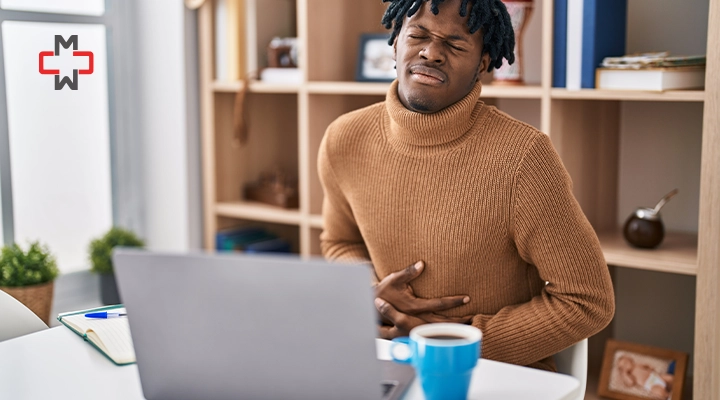
Coffee diarrhea usually lasts for a few hours after drinking coffee, but the duration depends on factors such as caffeine sensitivity, the amount of coffee consumed, added ingredients, and your digestive health. If diarrhea keeps happening after coffee or lasts longer than expected, another cause such as food intolerance, irritable bowel syndrome (IBS), infection, or a digestive condition may need evaluation.
For many people, coffee is part of a daily routine that helps them feel more alert and energized. However, some people notice that drinking coffee quickly leads to an urgent trip to the bathroom, loose stools, or diarrhea.
This reaction happens because coffee can stimulate the digestive system. Caffeine and other compounds in coffee may increase bowel activity, causing stool to move through the intestines faster than usual.
Having a bowel movement after coffee is common and does not always mean you have diarrhea. The difference is that coffee-related diarrhea involves loose, watery stools, increased frequency, or urgency that feels abnormal for you.
Understanding why coffee affects your digestion can help you determine whether it is a normal response or a sign that another digestive issue may be contributing.
Why Does Coffee Make You Poop?
Coffee can make you poop because it stimulates the digestive system and may increase movement in the colon.
Several factors may contribute to this effect:
- Caffeine stimulation
- Activation of the gastrocolic reflex
- Increased digestive activity
- Other compounds naturally found in coffee
After drinking coffee, some people experience increased intestinal contractions, which can move stool through the colon more quickly.
This process may reduce the amount of time the colon has to absorb water from stool, resulting in softer or looser bowel movements.
How Does Caffeine Cause Coffee Diarrhea?
Caffeine may contribute to coffee diarrhea by stimulating intestinal movement and increasing the speed at which contents pass through the digestive tract.
Caffeine acts as a stimulant, and its effects are not limited to the brain. It can also influence the gastrointestinal system.
In some people, caffeine may:
- Increase colon contractions
- Increase bowel urgency
- Make stool pass faster
People who are more sensitive to caffeine may notice stronger digestive effects even after a smaller amount of coffee.
However, caffeine is not the only reason coffee may affect bowel habits. Decaffeinated coffee can still cause digestive changes in some people because coffee contains other naturally occurring compounds.
What Is the Gastrocolic Reflex and How Does Coffee Affect It?
The gastrocolic reflex is the body’s natural response that increases colon movement after food or drink enters the stomach.
This reflex helps prepare the digestive system for a bowel movement.
Coffee may strengthen this response in some individuals by stimulating activity in the stomach and intestines.
The process can look like this:
Coffee enters the stomach
↓
Digestive activity increases
↓
Colon contractions become stronger
↓
Bowel movement occurs sooner
This is why some people feel the urge to use the bathroom shortly after their morning coffee.
How Long Does Coffee Diarrhea Last?
Coffee diarrhea usually improves within a few hours, but the exact duration varies depending on your body’s response and the reason coffee triggered symptoms.
The duration may depend on:
Amount of Coffee Consumed
A larger amount of caffeine may create a stronger digestive response.
Caffeine Sensitivity
Some people process caffeine differently and may experience:
- Faster bowel movements
- Stomach discomfort
- Loose stools
even after a small amount.
Coffee Additives
The cause may not always be coffee itself.
Ingredients added to coffee may contribute to diarrhea, including:
- Milk or creamers
- Artificial sweeteners
- Sugar alcohols
For example, someone with lactose intolerance may experience diarrhea after adding milk to coffee rather than from coffee itself.
Underlying Digestive Conditions
People with digestive conditions such as IBS may be more sensitive to coffee-related bowel stimulation.
If diarrhea continues even after reducing or stopping coffee, another cause may need evaluation.
Is Coffee Poop Normal or Is It Diarrhea?
Having a bowel movement after coffee is common, but diarrhea means the stool is unusually loose, watery, frequent, or difficult to control.
Normal Coffee-Related Bowel Movement
May include:
- Feeling the urge to poop after coffee
- A regular stool
- A predictable morning routine
Coffee Diarrhea
May include:
- Loose or watery stool
- Multiple bowel movements
- Sudden urgency
- Abdominal cramping
- A change from your normal bowel pattern
The key difference is not simply timing. It is the stool consistency and whether the symptoms are unusual for you.
Why Does Coffee Give Me Diarrhea?
Coffee can cause diarrhea in some people because of caffeine sensitivity, coffee additives, digestive conditions, or the way coffee affects intestinal movement.
Common reasons include:
Caffeine Sensitivity
Some people are more sensitive to caffeine’s stimulating effects.
They may experience:
- Urgency
- Loose stools
- Increased bowel activity
Reducing the amount of coffee or choosing lower-caffeine options may help identify whether caffeine is the trigger.
Drinking Coffee on an Empty Stomach
Coffee on an empty stomach may trigger digestive symptoms in some people because there is no food slowing the digestive response.
Possible effects include:
- Stomach discomfort
- Increased acidity sensation
- Faster bowel activity
Eating a small meal before coffee may reduce symptoms for some individuals.
Milk or Creamer Intolerance
Coffee additives may be responsible for diarrhea when the digestive system reacts to ingredients rather than coffee itself.
Milk-based additions may cause symptoms in people with lactose intolerance.
Possible symptoms include:
- Bloating
- Gas
- Abdominal discomfort
- Loose stools
Trying coffee without dairy may help determine whether the additive is the cause.
Artificial Sweeteners
Some artificial sweeteners can cause diarrhea because they may draw water into the intestine or affect digestion.
Common examples include sugar alcohols such as:
- Sorbitol
- Mannitol
- Xylitol
These ingredients are often found in sugar-free products and flavored coffee additions.
Can IBS Make Coffee Diarrhea Worse?
Yes, people with irritable bowel syndrome (IBS) may be more sensitive to coffee because caffeine and other coffee compounds can stimulate bowel activity and trigger digestive symptoms.
IBS is a functional digestive condition that can affect how the intestines respond to certain foods, drinks, and stress.
People with IBS may notice that coffee triggers:
- Loose stools
- Abdominal cramping
- Bloating
- Urgency to have a bowel movement
Coffee does not cause IBS, but it may worsen symptoms in people who already have a sensitive digestive system.
If diarrhea happens frequently after coffee along with recurring abdominal discomfort or changes in bowel habits, it may be worth discussing your symptoms with a healthcare professional.
Manhattan Medical Arts provides evaluation for ongoing digestive concerns through primary care services, helping identify whether symptoms are related to food triggers, IBS, infection, or another condition.
Does Decaf Coffee Cause Diarrhea?
Yes, decaf coffee can still cause diarrhea in some people because compounds other than caffeine may affect digestion.
Many people assume caffeine is the only reason coffee affects bowel movements. However, coffee contains other natural compounds that may influence digestive activity.
Decaf coffee may still trigger symptoms because of:
- Coffee acids
- Other plant compounds
- Individual digestive sensitivity
However, people whose symptoms are mainly related to caffeine may notice improvement after switching from regular coffee to decaf.
A simple way to identify the trigger is to monitor whether symptoms occur after:
- Regular coffee
- Decaf coffee
- Coffee with milk
- Coffee with sweeteners
Can Coffee Cause Diarrhea Immediately?
Yes, coffee can cause diarrhea or an urgent bowel movement shortly after drinking it in some people.
This happens because coffee may stimulate the digestive system quickly, especially in people who are sensitive to its effects.
The timing can vary based on:
- How much coffee you drink
- Whether you drink it on an empty stomach
- Your caffeine sensitivity
- Your usual bowel habits
Some people experience symptoms within minutes, while others may notice changes later.
Immediate symptoms do not necessarily mean something is wrong. The important factor is whether the reaction is occasional or happens repeatedly.
How to Stop Coffee Diarrhea Fast
The fastest way to stop coffee diarrhea is to remove the trigger, replace lost fluids, and identify what part of the coffee routine may be causing symptoms.
Try these approaches:
Stop Drinking Coffee Temporarily
Taking a break from coffee can help determine whether it is the cause of diarrhea.
If symptoms improve after stopping coffee and return when you restart it, coffee may be contributing to your symptoms.
You can later test:
- Smaller portions
- Lower caffeine coffee
- Decaf coffee
- Coffee without additives
Drink Enough Fluids
Diarrhea can cause fluid loss, so staying hydrated is important, especially if stools are frequent or watery.
Helpful options include:
- Water
- Oral rehydration solutions when needed
- Electrolyte-containing fluids
Avoid replacing lost fluids with more caffeine because it may continue stimulating the digestive system.
Eat Gentle Foods
Eating simple, easy-to-digest foods may help your stomach settle after diarrhea.
Examples include:
- Rice
- Bananas
- Toast
- Crackers
- Plain foods that are easier on digestion
Avoid heavy, greasy, or spicy foods until symptoms improve.
Remove Potential Coffee Triggers
If coffee seems to trigger diarrhea, consider changing one factor at a time:
- Reduce caffeine amount
- Remove dairy
- Avoid artificial sweeteners
- Avoid flavored creamers
- Drink coffee with food
This helps identify whether the problem is coffee itself or another ingredient.
Coffee Diarrhea vs Food Poisoning
Coffee diarrhea and food poisoning can both cause loose stools, but their patterns are usually different.
Coffee-Related Diarrhea
More likely when:
- Symptoms happen after drinking coffee
- The reaction occurs repeatedly with coffee
- Symptoms improve after stopping coffee
- There is no fever or vomiting
Food Poisoning
More likely when symptoms include:
- Sudden diarrhea unrelated to coffee timing
- Vomiting
- Fever
- Severe stomach cramps
- Symptoms after eating contaminated food
If diarrhea is severe, persistent, or accompanied by concerning symptoms, medical evaluation is recommended.
How Much Coffee Causes Diarrhea?
There is no specific amount of coffee that causes diarrhea for everyone because sensitivity varies between individuals.
Some people may react after:
- One cup of coffee
- Strong brewed coffee
- Large amounts of caffeine
Others may drink several cups without digestive symptoms.
Factors that influence sensitivity include:
- Caffeine tolerance
- Digestive health
- IBS
- Coffee strength
- Added ingredients
The best approach is to identify your personal tolerance rather than comparing your reaction with someone else’s.
Can Cold Brew Coffee Cause Diarrhea?
Yes, cold brew coffee can cause diarrhea in some people, especially if they are sensitive to caffeine or coffee compounds.
Cold brew often contains a concentrated amount of coffee extract, depending on how it is prepared.
Symptoms may be more noticeable with:
- Large servings
- High caffeine concentration
- Added milk or sweeteners
If cold brew triggers symptoms, reducing the serving size or changing the preparation method may help.
When Should You See a Doctor for Coffee Diarrhea?
You should seek medical advice if diarrhea continues, becomes severe, or occurs with symptoms that suggest another digestive problem.
Contact a healthcare professional if you experience:
- Diarrhea lasting more than a few days
- Blood in stool
- Severe abdominal pain
- Fever
- Signs of dehydration
- Unexplained weight loss
- Frequent diarrhea after many different foods or drinks
Recurring diarrhea after coffee may indicate that coffee is triggering an underlying digestive issue rather than being the only cause.
When Is Coffee Diarrhea an Emergency?
Most cases of coffee-related diarrhea are temporary, but urgent medical care is needed if severe symptoms develop.
Seek immediate medical attention for:
- Severe dehydration
- Confusion
- Fainting
- Severe abdominal pain
- Bloody diarrhea
- Persistent vomiting
- High fever
These symptoms may indicate a more serious digestive problem requiring evaluation.
How Manhattan Medical Arts Can Help
Manhattan Medical Arts can help evaluate persistent diarrhea and digestive symptoms to determine whether coffee is the trigger or whether another condition is contributing.
During an evaluation, a healthcare professional may review:
- When diarrhea occurs
- Coffee intake patterns
- Other foods and drinks
- Stool changes
- Abdominal symptoms
- Medication use
- Digestive history
This helps identify possible causes such as:
- Food intolerance
- IBS
- Infection
- Medication-related diarrhea
- Other digestive conditions
If your diarrhea keeps returning or affects your daily routine, Manhattan Medical Arts provides primary care evaluation to help determine the next steps.
Frequently Asked Questions
Why does coffee make me poop immediately?
Coffee can stimulate colon movement through caffeine and other compounds, causing some people to feel the urge to have a bowel movement shortly after drinking it.
How long after drinking coffee does diarrhea start?
Coffee-related diarrhea may begin shortly after drinking coffee in sensitive individuals, but timing varies based on caffeine sensitivity, coffee amount, and digestive health.
Should I stop drinking coffee if it gives me diarrhea?
If coffee repeatedly causes diarrhea, reducing intake or taking a temporary break may help identify whether coffee is the trigger.
Can milk in coffee cause diarrhea?
Yes. Milk may cause diarrhea in people with lactose intolerance or sensitivity to dairy products.
Is coffee diarrhea a sign of IBS?
Coffee can worsen symptoms in some people with IBS, but having diarrhea after coffee does not automatically mean you have IBS.
Can too much coffee cause diarrhea?
Yes. Larger amounts of coffee may increase caffeine exposure and stimulate bowel activity more strongly.
Does black coffee cause diarrhea more than coffee with milk?
It depends on the person. Some react to caffeine or coffee compounds, while others react to milk or sweeteners added to coffee.
Can coffee cause diarrhea every morning?
Yes. A daily coffee habit can trigger repeated diarrhea if your digestive system is sensitive to coffee or its ingredients.
Does tea cause the same type of diarrhea as coffee?
Tea can also contain caffeine, but its effect varies depending on caffeine amount, type of tea, and individual sensitivity.
When should I worry about diarrhea after coffee?
You should seek medical advice if diarrhea is persistent, severe, contains blood, causes dehydration, or occurs with fever or significant abdominal pain.
Final Thoughts
Coffee diarrhea usually lasts a few hours and occurs because coffee can stimulate intestinal activity, but repeated symptoms may indicate sensitivity to caffeine, coffee additives, or an underlying digestive condition.
Having a bowel movement after coffee is common. However, frequent watery stools, urgency, or recurring diarrhea are signs that your body may not be tolerating something in your coffee routine.
You can often identify the trigger by adjusting:
- Coffee amount
- Caffeine level
- Dairy additions
- Sweeteners
- Timing of consumption
If diarrhea continues even after changing your coffee habits, a healthcare evaluation can help determine whether another digestive issue is responsible.
Disclaimer
This blog is for informational & educational purposes only and does not intend to substitute any professional medical advice or consultation. For any health-related concerns, please consult with your physician, or call 911.

-
About The Author
Dr. Syra Hanif M.D.Board Certified Primary Care Physician

Dr. Syra Hanif is a board-certified Primary Care Physician (PCP) dedicated to providing compassionate, patient-centered healthcare.
Read More