


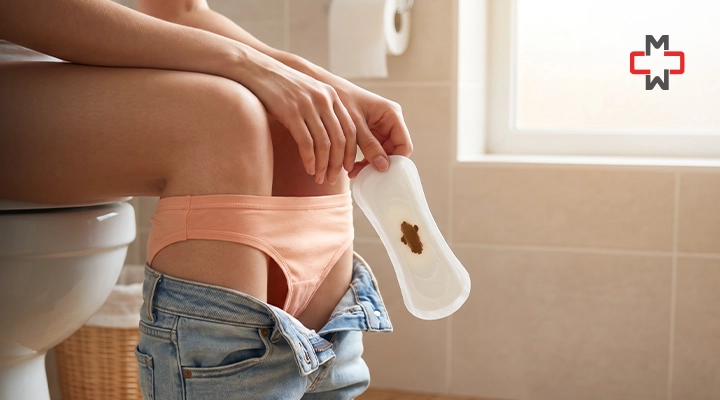
Brown spotting after a period is a common concern for many women. While often harmless, it can sometimes signal hormonal imbalances, ovulation, or underlying health conditions. Dr. Syra Hanif, M.D., a board-certified primary care physician at Manhattan Medical Arts, emphasizes the importance of understanding why spotting occurs and when to seek professional evaluation.
Introduction to Brown Spotting After Period
Brown spotting is usually a sign of old blood leaving the uterus after menstruation. It often appears light brown or dark brown and may last a few days after your period ends. While this is typically normal, persistent or heavy spotting may indicate underlying issues.
For guidance on menstrual health and personalized evaluation, you can consult Dr. Syra Hanif, M.D., at Manhattan Medical Arts.
Causes of Brown Spotting After Period
Several factors can contribute to brown spotting:
- Hormonal Fluctuations: Changes in estrogen and progesterone can cause the uterine lining to shed unevenly, leading to spotting.
- Uterine Lining Shedding: Sometimes the endometrial lining releases residual blood a few days after your period.
- Ovulation-Related Spotting: Mid-cycle hormonal shifts can cause light brown discharge.
- Birth Control or IUD Effects: Hormonal contraceptives may cause irregular bleeding, including post-period spotting.
- Lifestyle Factors: Stress, diet, and activity level can influence menstrual bleeding patterns.
- Medical Conditions: PCOS, fibroids, endometriosis, or early pregnancy may also result in spotting.
If spotting is frequent, prolonged, or accompanied by pain, Dr. Hanif recommends primary care or gynecology consultation to evaluate underlying causes.
How Long Brown Spotting Lasts
Brown spotting typically lasts a few days after menstruation. Light brown discharge that occurs for 1–3 days is generally considered normal.
Red flags that require attention include:
- Spotting that persists beyond a week
- Dark brown or bright red blood that is heavy
- Spotting accompanied by cramps, pain, or odor
You can track spotting patterns using menstrual cycle apps or by consulting our women’s health specialists for guidance.
Natural Ways to Manage Brown Spotting
Several natural strategies can help regulate menstrual bleeding:
- Dietary Support: Iron-rich foods, anti-inflammatory nutrients, and staying hydrated can improve uterine health.
- Gentle Exercise: Yoga, stretching, and light cardio may improve circulation and hormonal balance.
- Stress Management: Meditation, mindfulness, and proper sleep can help regulate hormones.
- Herbal Remedies: Some women find ginger, turmeric, or raspberry leaf tea helpful for mild spotting.
For personalized strategies tailored to your cycle, consult Dr. Syra Hanif, M.D..
Lifestyle and Preventive Measures
Long-term strategies to reduce irregular spotting include:
- Maintaining a balanced diet and adequate hydration
- Tracking menstrual cycles to anticipate spotting
- Regular exercise and core-strengthening to support hormonal balance
- Stress reduction and maintaining good sleep hygiene
Manhattan Medical Arts women’s health services can provide additional guidance on preventive measures.
When to See a Doctor
Consult a physician if brown spotting:
- Lasts more than a week or is unusually heavy
- Is accompanied by severe pain, cramping, or unusual discharge
- Occurs consistently every cycle or suddenly changes pattern
Persistent or abnormal spotting may indicate hormonal imbalance, fibroids, PCOS, or endometriosis. Schedule a consultation with Dr. Syra Hanif, M.D. for an accurate diagnosis and treatment plan.
Conclusion
Brown spotting after a period is often normal and caused by leftover menstrual blood or minor hormonal fluctuations. Understanding normal patterns and monitoring symptoms is key. Using lifestyle adjustments, natural remedies, and professional evaluation from Dr. Hanif can help manage spotting effectively.
For expert guidance, consult Manhattan Medical Arts women’s health specialists to ensure your menstrual cycle remains healthy.
Disclaimer
This blog is for informational & educational purposes only and does not intend to substitute any professional medical advice or consultation. For any health-related concerns, please consult with your physician, or call 911.

-
About The Author
Dr. Syra Hanif M.D.Board Certified Primary Care Physician

Dr. Syra Hanif is a board-certified Primary Care Physician (PCP) dedicated to providing compassionate, patient-centered healthcare.
Read More