


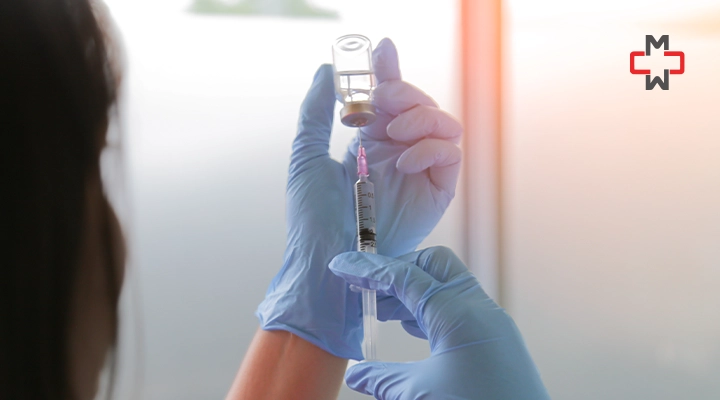
There is no fixed number of years that a pneumonia shot is good for. The exact duration of protection from pneumococcal vaccines is not known. Under current Centers for Disease Control and Prevention (CDC) guidance, adults who receive Pneumococcal Conjugate Vaccine 20 (PCV20) or Pneumococcal Conjugate Vaccine 21 (PCV21) generally complete their recommended pneumococcal vaccination without routine boosters. Adults who receive Pneumococcal Conjugate Vaccine 15 (PCV15) generally need Pneumococcal Polysaccharide Vaccine 23 (PPSV23) afterward.
This means the common answers of “five years,” “10 years,” or “for life” are too simple. Whether another pneumococcal vaccine is recommended depends on which vaccine you received, your age, your previous vaccination history, and certain medical risk factors.
Dr. Syra Hanif, M.D., a board-certified primary care physician at Manhattan Medical Arts, can review previous immunization records and determine which pneumococcal vaccine schedule applies to an individual patient.
How Long Does a Pneumonia Shot Last?
Pneumococcal vaccines provide lasting protection, but researchers have not established one exact protection period that applies to every vaccine and every person.
The CDC’s Advisory Committee on Immunization Practices (ACIP) states that the exact duration of pneumococcal vaccine protection is unknown. Evidence from a study of PCV13 found no evidence of waning protection against vaccine-type pneumococcal pneumonia or invasive pneumococcal disease during four years of follow-up. Studies of PPSV23 have produced more variable results, with some showing protection beginning to decline earlier.
The most useful question is therefore not simply, “How many years does the pneumonia shot last?”
The more useful question is:
“Based on the pneumococcal vaccine I received, do I currently need another dose?”
Current CDC schedules answer that question according to vaccine type and vaccination history.
Does the Pneumonia Vaccine Need a Booster?
A routine booster is not currently recommended after an adult completes pneumococcal vaccination with PCV20 or PCV21.
CDC guidance for adults aged 50 years or older who have not previously received a pneumococcal conjugate vaccine provides three main options: PCV15, PCV20, or PCV21.
The schedule differs by vaccine:
| Pneumococcal vaccine | Current general adult schedule |
| PCV20 | One dose generally completes pneumococcal vaccination |
| PCV21 | One dose generally completes pneumococcal vaccination |
| PCV15 | Follow with one dose of PPSV23, generally 1 year later |
| PPSV23 | Used after PCV15 and remains relevant in older vaccination histories |
CDC states that adults receiving PCV20 or PCV21 do not need PPSV23 afterward under the current schedule. When PCV15 is used, PPSV23 is generally administered one year later. The minimum interval can be shortened to eight weeks for certain adults with an immunocompromising condition, cochlear implant, or cerebrospinal fluid leak.
Is a Pneumonia Shot Good for 5 Years?
No. Five years is not a universal expiration period for pneumococcal vaccination.
The five-year number comes from specific vaccination schedules involving certain previous vaccines or high-risk medical conditions. It does not mean every pneumonia vaccine stops protecting a person after five years.
For example, some adults younger than 50 who previously received PCV13 and PPSV23 and have an immunocompromising condition, cerebrospinal fluid leak, or cochlear implant may be eligible for PCV20 or PCV21 at least five years after their most recent pneumococcal vaccination.
The important distinction is:
A five-year interval is a dosing rule for particular vaccination histories. It is not a measure of the exact duration of immunity.
This distinction explains why someone who received PCV20 does not automatically need another pneumococcal vaccine five years later.
How Long Does PCV20 Last?
The exact duration of PCV20 protection is not established, but the current CDC adult schedule generally considers pneumococcal vaccination complete after PCV20.
PCV20 is a pneumococcal conjugate vaccine that protects against 20 pneumococcal serotypes. Current CDC recommendations do not call for routine PPSV23 or another pneumococcal dose after PCV20 when the recommended schedule has been completed.
This does not mean researchers have proven that PCV20 protection lasts for life. It means the current evidence and vaccination schedule do not support routine repeat dosing after PCV20 for most adults who have completed the recommended schedule.
Future recommendations can change as additional long-term effectiveness data become available.
How Long Does PCV21 Last?
PCV21 does not have a defined expiration period, and current CDC guidance generally considers adult pneumococcal vaccination complete after PCV21.
PCV21 is another pneumococcal conjugate vaccine available for adults. CDC currently lists PCV21 alongside PCV20 as an option that does not require PPSV23 afterward when used to complete the recommended adult schedule.
PCV21 protects against a different set of pneumococcal serotypes than PCV20. Vaccine choice can therefore depend on medical history and, in some circumstances, geographic or epidemiologic considerations.
How Long Does PPSV23 Last?
PPSV23 provides protection against invasive pneumococcal disease, but its protection can decrease over time.
CDC reports that PPSV23 protects approximately 60% to 70% of adults with healthy immune systems against invasive pneumococcal disease caused by vaccine-covered serotypes.
ACIP’s evidence review notes that studies examining the duration of PPSV23 protection have produced variable findings, with waning reported as early as two years after vaccination in some observational data.
That does not mean PPSV23 automatically becomes ineffective at two or five years. It means protection can decline and that vaccination decisions should follow the current schedule rather than an assumed expiration date.
Modern adult schedules increasingly use higher-valency conjugate vaccines such as PCV20 or PCV21 to simplify pneumococcal vaccination.
Which Pneumonia Vaccine Do Adults Get in 2026?
CDC currently recommends PCV15, PCV20, or PCV21 for adults aged 50 years or older who have not previously received a pneumococcal conjugate vaccine or whose vaccination history is unknown.
Current options include:
PCV20
One dose generally completes adult pneumococcal vaccination.
PCV21
One dose generally completes adult pneumococcal vaccination.
PCV15
PCV15 is generally followed by PPSV23 one year later. Certain high-risk adults can receive PPSV23 after a minimum interval of eight weeks.
The exact recommendation can change when someone has already received PCV13, PPSV23, or another previous pneumococcal vaccine.
Who Should Get a Pneumonia Shot at Age 50 or Older?
CDC recommends routine pneumococcal vaccination for all adults aged 50 years or older who have never received a pneumococcal conjugate vaccine or whose previous vaccination history is unknown.
This is an important update because older recommendations often focused on routine vaccination beginning at age 65.
ACIP expanded the age-based recommendation in October 2024 to include PCV-naive adults aged 50 through 64. Current CDC guidance reflects that change.
Adults can review vaccine history as part of routine preventive care. Manhattan Medical Arts provides preventive health services, including vaccination and immunization review.
Do You Need Another Pneumonia Shot When You Turn 65?
Not automatically. Turning 65 does not mean every adult needs another pneumonia shot.
An adult who already received PCV20 or PCV21 and completed the recommended schedule does not currently need another pneumococcal vaccine simply because they reached age 65.
The answer becomes more complicated for adults who previously received older combinations.
Adults aged 65 or older who already received both PCV13 and PPSV23, with PPSV23 given at age 65 or later, may choose PCV20 or PCV21 through shared clinical decision-making or may choose not to receive an additional pneumococcal vaccine.
A clinician can review the dates and vaccine types before recommending another dose.
What If You Had a Pneumonia Shot Years Ago?
The next step depends on which pneumococcal vaccine you received, not simply how many years have passed.
Several common scenarios include:
You received PPSV23 only
Adults who previously received only PPSV23 can receive PCV15, PCV20, or PCV21 at least one year after the most recent PPSV23 dose. Under current CDC risk-based guidance, another PPSV23 dose is not routinely required after that conjugate vaccine dose.
You received PCV13 only
Adults with previous PCV13 vaccination may be eligible for PCV20 or PCV21 at least one year later, depending on age and current recommendations.
You received PCV13 and PPSV23
The recommendation depends on age, medical risk, the age at which PPSV23 was given, and the time since the most recent pneumococcal vaccination. Some patients may receive PCV20 or PCV21 after a five-year interval, while others may not need another dose.
This is why knowing the name of the vaccine matters more than remembering that you had “a pneumonia shot.”
Who May Need a Pneumonia Vaccine Before Age 50?
Adults aged 19 through 49 may need pneumococcal vaccination when certain medical conditions or risk factors increase their risk of pneumococcal disease.
CDC-listed adult risk conditions include:
- Chronic heart disease
- Chronic lung disease, including asthma, emphysema, and chronic obstructive pulmonary disease
- Chronic liver disease
- Diabetes mellitus
- Chronic renal failure or nephrotic syndrome
- Cigarette smoking
- Alcoholism
- Cochlear implant
- Cerebrospinal fluid leak
- HIV infection
- Sickle cell disease or other hemoglobinopathies
- Congenital or acquired immune deficiencies
- Conditions treated with immunosuppressive medication or radiation therapy.
People with these conditions may require a different vaccination schedule from healthy adults of the same age.
A primary care visit can help determine whether a medical condition changes pneumococcal vaccine eligibility.
Does a Pneumonia Shot Protect Against All Pneumonia?
No. Pneumococcal vaccination does not prevent every type of pneumonia.
The term “pneumonia shot” refers to vaccination against pneumococcal disease, which is caused by the bacterium Streptococcus pneumoniae. Pneumococcal bacteria can cause pneumonia, meningitis, bloodstream infection, and other illnesses.
Pneumonia can also be caused by:
- Other bacteria
- Influenza viruses
- Respiratory syncytial virus
- SARS-CoV-2
- Other respiratory viruses
- Fungi in certain populations
A person can therefore develop pneumonia even after receiving an appropriate pneumococcal vaccine.
The Manhattan Medical Arts guide to pneumonia explains the condition’s causes and symptoms. Active pneumonia requires diagnosis and treatment rather than additional vaccination as a treatment for the current infection.
Manhattan Medical Arts provides pneumonia treatment in NYC for patients with cough, fever, breathing symptoms, and other signs of possible pneumonia.
Is the Pneumonia Shot an Annual Vaccine Like the Flu Shot?
No. Pneumococcal vaccination is not given every year.
Annual influenza vaccination and pneumococcal vaccination follow different schedules.
Flu vaccines are updated and administered seasonally. Pneumococcal vaccination is based on age, medical risk, vaccine type, and previous pneumococcal doses. Current CDC guidance considers PCV20 or PCV21 sufficient to complete pneumococcal vaccination in many adults.
Receiving a flu vaccine every year does not mean a pneumonia vaccine should follow the same schedule.
How Can You Find Out Which Pneumonia Vaccine You Had?
Reviewing your vaccination record is the most reliable way to identify which pneumococcal vaccine you received.
Check:
- Your primary care medical record.
- Pharmacy vaccination records.
- Previous hospital or clinic records.
- Personal immunization cards.
- State or local immunization records when available.
Do not rely solely on remembering the year of vaccination. Knowing whether you received PCV13, PCV15, PCV20, PCV21, or PPSV23 can change the current recommendation.
A clinician can help interpret an incomplete vaccine history. CDC specifically includes adults with unknown previous pneumococcal vaccination history in its current routine recommendations.
When Should You Ask a Doctor About Another Pneumonia Shot?
Ask a healthcare provider about pneumococcal vaccination when your vaccine history is unclear, you have reached age 50, or your medical risk has changed.
A vaccination review is especially useful when:
- You are 50 or older and never received a pneumococcal conjugate vaccine.
- You cannot remember which pneumonia vaccine you received.
- You previously received only PPSV23.
- You previously received PCV13.
- You received PCV13 and PPSV23 under an older schedule.
- You have developed an immunocompromising condition.
- You have chronic heart, lung, liver, or kidney disease.
- You have diabetes.
- You smoke cigarettes.
- You have a cochlear implant or cerebrospinal fluid leak.
Manhattan Medical Arts offers vaccination and immunization services in NYC, including preventive vaccine review and administration.
How Manhattan Medical Arts Can Help
Manhattan Medical Arts can review your pneumococcal vaccination history and determine whether another vaccine is appropriate under current recommendations.
Evaluation may include:
- Review of previous PCV and PPSV23 doses
- Age-based vaccine eligibility
- Chronic medical conditions
- Smoking history
- Immune-system conditions
- Previous vaccine reactions
- Other recommended adult immunizations
Dr. Syra Hanif, M.D. provides primary and preventive care, including immunization services, at Manhattan Medical Arts.
The clinic also provides infectious disease prevention, which includes vaccination as part of preventive healthcare.
Frequently Asked Questions
Does a Pneumonia Vaccine Stop Working Suddenly After a Certain Year?
No. Pneumococcal vaccine protection does not have a known sudden expiration date. Protection can change over time, but the exact duration varies and remains incompletely defined. Current vaccination schedules determine whether another dose is recommended.
Do I Need Another Pneumonia Shot If I Received One Before Age 50?
Possibly. The recommendation depends on which vaccine you received and whether you have medical risk factors. Adults reaching age 50 should have their previous pneumococcal vaccination history reviewed under current CDC guidance.
Can I Receive PCV20 After an Older Pneumovax Shot?
Yes, in many situations. Adults who previously received PPSV23 alone can receive a recommended pneumococcal conjugate vaccine at least one year after the most recent PPSV23 dose.
Does Having Pneumonia Mean I No Longer Need a Pneumococcal Vaccine?
No. Previous pneumonia does not automatically eliminate the need for pneumococcal vaccination. Pneumonia has multiple causes, and vaccine eligibility is determined by age, medical risk, and vaccination history.
Can I Still Get Bacterial Pneumonia After Vaccination?
Yes. Pneumococcal vaccines protect against specific Streptococcus pneumoniae serotypes and do not prevent every bacterial or viral cause of pneumonia.
What Happens If I Cannot Remember Which Pneumonia Vaccine I Received?
A healthcare provider can review available immunization records and current CDC guidance. CDC specifically recommends pneumococcal vaccination for adults aged 50 or older whose previous conjugate-vaccine history is unknown.
Final Thoughts
There is no single number of years that a pneumonia shot is good for. The exact duration of pneumococcal vaccine protection is unknown, and current vaccination decisions depend on the vaccine received, previous doses, age, and medical risk.
Under current CDC guidance, adults who receive PCV20 or PCV21 generally complete their pneumococcal vaccination schedule without routine additional doses. Adults receiving PCV15 generally receive PPSV23 afterward. A five-year interval applies only to particular vaccination histories and should not be interpreted as a universal vaccine expiration date.
Adults aged 50 or older, people with an uncertain vaccination history, and younger adults with certain risk conditions should review their pneumococcal vaccine status with a healthcare provider.
Disclaimer
This blog is for informational & educational purposes only and does not intend to substitute any professional medical advice or consultation. For any health-related concerns, please consult with your physician, or call 911.

-
About The Author
Dr. Syra Hanif M.D.Board Certified Primary Care Physician

Dr. Syra Hanif is a board-certified Primary Care Physician (PCP) dedicated to providing compassionate, patient-centered healthcare.
Read More